
How Burner Sequence Controllers Ensure Safe Boiler Startup
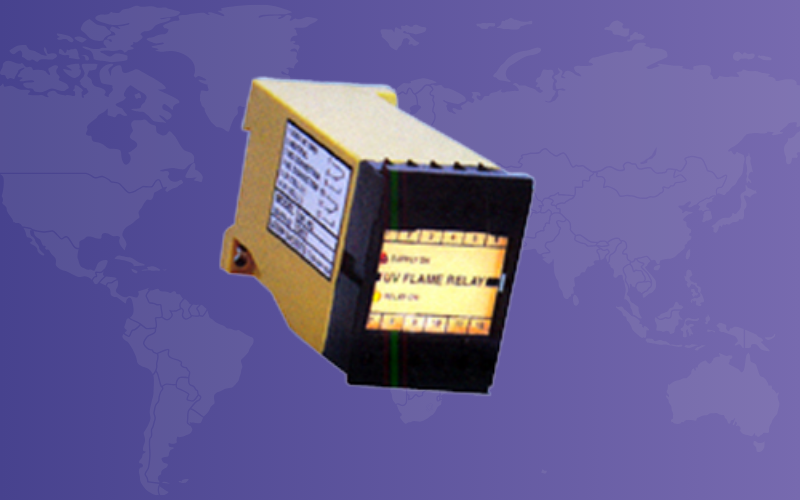
Industrial boilers and combustion systems operate under high temperatures and pressures, making safety and precise control extremely important. One of the most critical phases in boiler operation is the startup sequence, where fuel and air must be introduced in a controlled and carefully monitored manner.
If a burner starts incorrectly—such as introducing fuel before ignition or failing to detect a flame—the system can create dangerous conditions including fuel accumulation, furnace explosions, or equipment damage.
To prevent such risks, modern combustion systems rely on Burner Sequence Controllers. These specialized control devices manage the entire burner startup process, ensuring that each step occurs in the correct order and under safe operating conditions.
Burner sequence controllers play a crucial role in industrial boilers, furnaces, ovens, and process heating systems, providing reliable automation and enhanced safety.
What Is a Burner Sequence Controller?
Burner Sequence Controller is an electronic control system designed to manage and monitor the safe startup, operation, and shutdown of industrial burners.
It ensures that the burner system follows a predefined sequence of operations, including:
- Pre-purge of the combustion chamber
- Ignition of the burner
- Flame detection
- Controlled fuel supply
- Continuous flame monitoring
If any step in the sequence fails, the controller automatically shuts down the burner to prevent unsafe conditions.
Burner sequence controllers are an essential part of modern combustion safety systems used in:
- Industrial boilers
- Thermal processing furnaces
- Gas and oil burners
- Incinerators
- Industrial ovens
Why Safe Boiler Startup Is Critical
Boilers operate with combustible fuels such as natural gas, fuel oil, or dual fuels. Improper burner startup can lead to several hazards.
Fuel Accumulation
If fuel enters the combustion chamber without proper ignition, it can accumulate and create an explosive mixture.
Furnace Explosions
Delayed ignition or flame failure during startup may cause a sudden ignition of accumulated fuel, resulting in serious explosions.
Equipment Damage
Incorrect burner sequencing can damage:
- Burners
- Ignition systems
- Refractory linings
- Boiler components
Production Downtime
Unsafe startup events often require system shutdown, inspection, and maintenance, leading to production delays.
Burner sequence controllers eliminate these risks by ensuring every startup step is performed safely and correctly.
Production Downtime
Burner sequence controllers manage several critical safety and operational functions during boiler startup.
1. Pre-Purge of Combustion Chamber
Before ignition begins, the combustion chamber must be cleared of any residual fuel gases
The controller activates the blower or fan to purge the furnace with fresh air for a specified time. This process removes any combustible mixture
Only after the purge cycle is successfully completed does the controller allow the next step.
2. Ignition Sequence Control
After the purge process, the burner sequence controller initiates the ignition system.
This typically involves:
- Activating the ignition transformer
- Generating a spark through the ignition electrode
- Opening the pilot fuel valve
The controller ensures that the ignition spark is present before fuel is introduced, preventing unsafe fuel accumulation.
3. Pilot Flame Establishment
In many industrial burners, a pilot flame is used to ignite the main burner flame.
The controller allows fuel flow to the pilot burner and monitors flame presence using a flame detection sensor.
Common flame sensors used include:
- UV flame sensors
- Flame rod sensors
If the pilot flame is not detected within a specified time, the controller shuts down the fuel supply immediately.
4. Main Burner Ignition
Once the pilot flame is confirmed, the controller allows the main fuel valve to open.
The main burner flame ignites using the pilot flame. During this stage, the controller continues to monitor the flame detection signal to ensure stable combustion.
If the flame signal is lost, the controller initiates an immediate safety shutdown.
5. Continuous Flame Monitoring
After successful ignition, the burner sequence controller continuously monitors the flame signal during operation.
If flame failure occurs due to:
- Fuel supply interruption
- Air-fuel imbalance
- Burner malfunction
The controller shuts off fuel valves instantly to prevent hazardous conditions.
Components Integrated with Burner Sequence Controllers
Burner sequence controllers operate as part of a larger combustion control system. They typically interact with several components.
Flame Sensors
Flame sensors detect whether a flame is present. These sensors provide feedback signals to the controller.
Common types include:
- UV flame sensors
- Flame rod sensors
Ignition Transformers
Ignition transformers generate the high-voltage spark required to ignite the burner.
Fuel Valves
Solenoid or motorized fuel valves regulate fuel supply during different stages of the startup sequence.
Airflow Switches
Airflow switches confirm that the purge fan or blower is operating correctly.
Limit Switches and Safety Interlocks
These devices ensure that the system only operates when all safety conditions are satisfied.
Advantages of Using Burner Sequence Controllers
Industrial facilities and OEM manufacturers rely on burner sequence controllers because they provide several operational advantages.
Enhanced Safety
Burner sequence controllers ensure strict adherence to safety procedures, preventing unsafe burner operation.
Reliable Burner Operation
Automated sequencing eliminates human error and ensures consistent startup performance.
Compliance with Safety Standards
Industrial combustion systems must comply with safety regulations and standards. Burner controllers help maintain these compliance requirements.
Reduced Downtime
By preventing startup failures and unsafe conditions, burner controllers minimize system shutdowns and maintenance interruptions.
Improved Efficiency
Proper burner startup ensures optimal combustion conditions, which improves fuel efficiency and overall system performance.
Applications of Burner Sequence Controllers
Burner sequence controllers are widely used across various industries where controlled combustion processes are required.
Power Generation
Boilers used in power plants rely on precise burner sequencing for safe operation.
Petrochemical Industry
Furnaces and heaters in refineries require reliable flame monitoring and burner control.
Food Processing
Industrial ovens and dryers use burner controllers to maintain safe heating processes.
Chemical Manufacturing
Many chemical processes rely on controlled heating systems powered by burners.
Steel and Metal Processing
Furnaces used in metal processing require reliable burner startup and operation.
Where We Come In
At Linear Systems India, we specialize in advanced burner control and flame monitoring solutions designed for industrial combustion systems.
Our expertise supports boiler manufacturers, burner OEMs, system integrators, and industrial plants with reliable and high-performance safety solutions.
Our product portfolio includes:
- Burner Sequence Controllers for safe and automated burner startup
- UV Flame Sensors for accurate flame detection in gas and oil burners
- Flame Rod Sensors for gas burner flame monitoring
- Flame Amplifiers for reliable flame signal processing
- Ignition Transformers for dependable ignition systems
With strong in-house engineering and manufacturing capabilities, we support both domestic and international OEM customers with dependable burner safety systems.
Conclusion
Safe boiler startup is essential for maintaining reliable industrial combustion operations. Burner sequence controllers play a vital role in managing the startup process, ensuring that fuel introduction, ignition, and flame monitoring occur in the correct order.
By automating the burner startup sequence and integrating safety interlocks, these controllers significantly reduce the risk of fuel accumulation, furnace explosions, and equipment damage.
For boiler manufacturers, OEMs, and industrial operators, selecting the right burner control system is critical to achieving safe, efficient, and compliant combustion processes.
Advanced burner control solutions from Linear Systems India help industries ensure dependable burner performance while maintaining the highest standards of safety and operational reliability.